
Infestations rarely start as a “big problem”. They begin with a trail of ants, a faint scratching sound, or a single cockroach that disappears before anyone can react. Pest Control Strathfield is most effective when action happens early, before pests breed, spread into wall cavities, and contaminate food or living spaces.
This guide explains how households and businesses can spot early warning signs, stop pests at the source, and choose Pest Control Strathfield services that actually prevent repeat outbreaks.
What are the earliest signs that pests are moving indoors?
The earliest signs are usually subtle: droppings, smear marks, shed skins, and unusual smells in cupboards or roof voids. If they notice these clues, they can act before pests establish nesting sites.
Common early indicators include ant trails along skirting boards, cockroach specks near appliances, and gnaw marks on packaging. When these show up, Pest Control Strathfield should be booked quickly to stop a minor issue becoming structural or hygienic damage.
Why do infestations spread so quickly once they get inside?
Pests spread fast indoors because warmth, shelter, and steady food sources remove the limits they face outdoors. Once inside, they can reproduce rapidly and move through hidden routes.
Roof voids, subfloors, plumbing penetrations, and wall cavities allow pests to travel unnoticed. That is why Pest Control Strathfield focuses on both elimination and exclusion, not just killing what is visible.
Which pests cause the most indoor problems in Strathfield?
Cockroaches, ants, rodents, spiders, and termites are frequent indoor threats, depending on season and property type. They often enter during weather changes, renovations, or when bins and gardens attract them close.
Cockroaches and rodents create the biggest health and food-safety risks, while termites can cause the most expensive damage. A targeted Pest Control Strathfield plan usually starts by identifying the exact species and pressure points driving the activity. Click here to learn Why Renovated Homes Still Need Electrical and Safety Checks
How do pests typically enter homes and flats?
They enter through gaps people rarely notice: under doors, around pipes, through weep holes, and via shared walls in multi-unit buildings. If those access points remain open, infestations can return even after treatment.
Cracks around air-conditioning lines, loose screens, and unsealed utility penetrations are common entry routes. Reliable Pest Control Strathfield providers will point out these vulnerabilities during inspection and recommend practical sealing steps.
What should they do immediately before calling a professional?
They should reduce food, water, and hiding spots right away, so the problem does not accelerate overnight. Quick housekeeping changes can slow activity and make professional treatment more effective.
They can wipe spills, store food in sealed containers, empty internal bins daily, and fix dripping taps. Even then, Pest Control Strathfield is still important because DIY steps rarely remove nests, breeding zones, or entry points.
Why can DIY sprays make infestations harder to eliminate?
DIY sprays often repel pests into wall voids rather than removing the colony or nest. This can spread activity, increase breeding in hidden areas, and make patterns harder to trace.
Some products also interfere with baits by contaminating surfaces, leading pests to avoid treated zones. For persistent activity, Pest Control Strathfield should be used to apply the right method for the pest, location, and life cycle.
How does professional treatment stop pests before they spread?
Professional treatment stops spread by combining inspection, targeted application, and follow-up prevention. They address both the visible pests and the unseen source, which is where infestations usually restart.
Depending on the pest, they may use gel baits, dusts in voids, residual barriers, or trapping programmes. A good Pest Control Strathfield approach also includes recommendations to reduce attractants and block re-entry.
When should they treat the whole property rather than one room?
They should treat the whole property when there are signs of movement beyond a single area, or when the pest is known to spread through voids and shared structures. Limiting treatment to one room can leave a breeding hub untouched.
Rodents, cockroaches, and ants often require broader coverage, especially in kitchens, laundries, and roof spaces. In these cases, Pest Control Strathfield providers typically map activity across the entire building before deciding on scope.
How can they prevent infestations from returning after treatment?
Prevention works best when they remove the reasons pests came in: food access, water, clutter, and entry gaps. If those conditions stay the same, pests often return within weeks or months.
They can seal cracks, install door sweeps, keep gardens trimmed away from walls, and maintain clean bin areas. Many households schedule routine Pest Control Strathfield visits to keep a protective barrier in place year-round.
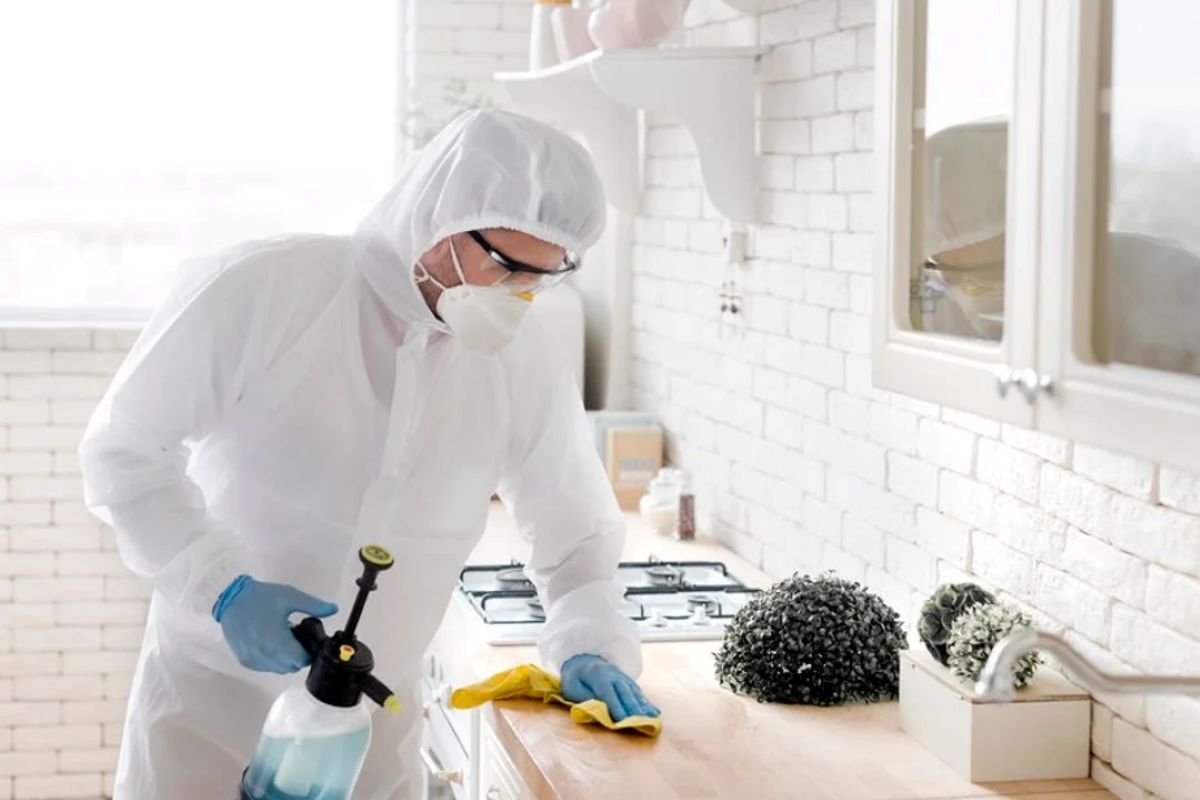
What should they ask when choosing Pest Control Strathfield services?
They should ask what pests are covered, what products and methods are used, and whether follow-up is included. Clear answers signal a plan designed for prevention, not just a quick spray.
They should also ask about safety around children, pets, and sensitive areas like kitchens. A reputable Pest Control Strathfield provider will explain the treatment steps, expected results, and what they need to do before and after the visit.
How often should they book pest control to stay ahead of outbreaks?
Most properties benefit from at least an annual service, while higher-risk sites may need quarterly visits. The right frequency depends on building type, nearby food sources, and previous pest history.
Flats with shared walls, homes near heavy tree cover, and businesses handling food often need more consistent protection. A scheduled Pest Control Strathfield plan helps stop seasonal spikes becoming full infestations again.
See Also : Tom’s Pest Control Sydney
