
Text: “LVL formwork is a formwork system that uses laminated veneer lumber (LVL) components to shape and support wet concrete until it cures. It is popular because it offers a strong strength-to-weight ratio, consistent performance, and predictable results on busy construction sites.
It is most often seen as LVL beams, joists, soldiers, walers, and bearers used with plywood facing panels and proprietary connectors. The appeal is simple: it helps crews form slabs, walls, columns, and beams with fewer surprises and less on-site improvisation.
What is LVL formwork, exactly?
LVL formwork is formwork framing made from engineered timber, produced by bonding thin wood veneers together with the grain aligned. That manufacturing method creates members with uniform size and strength, which is useful when loads and tolerances matter.
In practice, LVL formwork is not usually a single product. It is a system that combines LVL structural members with facing sheets, props, ties, clamps, and brackets to create a temporary mould for concrete.
How is LVL different from traditional timber in formwork?
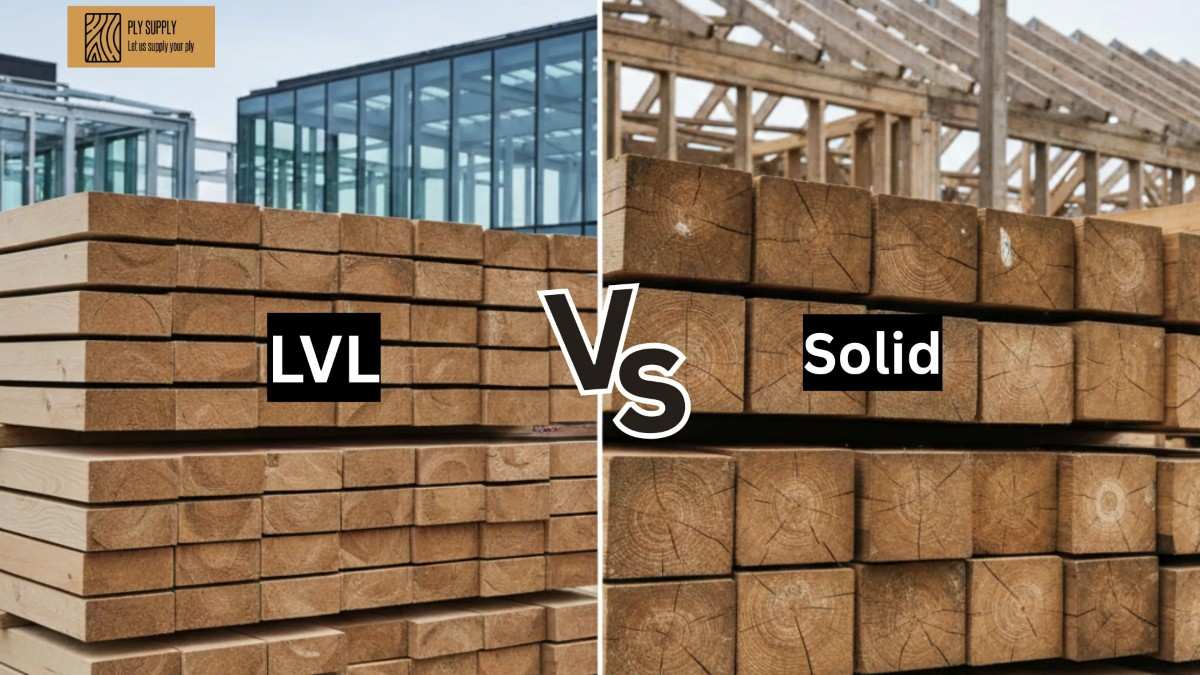
LVL is engineered for consistency, whereas traditional sawn timber varies more in knots, grain, moisture, and straightness. That consistency makes it easier to set out, easier to align, and more reliable under load.
Because LVL is manufactured to controlled dimensions, crews can standardise spacing, connections, and re-use assumptions. That reduces the number of on-site adjustments that can slow pours or introduce defects.”
Why is LVL formwork so popular on modern sites?
LVL formwork is popular because it is strong, straight, and repeatable, which supports faster cycles and predictable concrete finishes. It also tends to be easier to handle than heavier alternatives, especially when paired with efficient hardware.
Many contractors also like how LVL integrates with common formwork accessories and modular systems. When a system can be scaled from a small edge form to a full wall run using the same logic, planning becomes simpler.
What makes LVL formwork strong enough for concrete loads?
LVL gains strength from its layered veneers and adhesive bonding, which helps it resist bending and shear in a controlled way. In formwork, that matters because wet concrete exerts significant pressure, especially on walls and deep pours.
The uniform structure also helps LVL maintain stiffness across spans. With correct design, spacing, and bracing, LVL members can support loads with less risk of weak spots that can occur in lower grade solid timber.
Where is LVL formwork typically used?
LVL formwork is commonly used for slabs, beams, and wall formwork where straightness and load capacity are needed. It is also used for edge forms, soffits, and temporary works that benefit from repeatable geometry.
On many sites, LVL beams act as primary and secondary bearers under plywood decking. For walls, LVL soldiers and walers help keep panels aligned and supported while ties manage concrete pressure.
How does LVL formwork affect speed and labour on site?
LVL formwork can reduce labour time because components are straight and predictable, so crews spend less time sorting, planning, packing, or replacing warped members. That can improve productivity, particularly when cycles repeat across multiple pours.
It can also support cleaner set out. When members stay true, lines remain truer, and the system needs fewer corrective shims and reworks, which helps keep programmes on track.
Is LVL formwork more cost effective than other options?
LVL formwork can be cost effective when its reuse life, reduced waste, and time savings outweigh a higher initial material cost. The value often shows up in fewer delays, fewer damaged components, and less remedial work on concrete.
However, cost effectiveness depends on project scale and handling. If members are poorly stored, overcut, or damaged by water and impact, the reuse advantage drops quickly.
What should they know about reuse and durability?
LVL formwork can be reused many times when it is protected from prolonged moisture exposure and handled correctly. Good practice includes sealing cut ends, storing off the ground, and avoiding unnecessary nail damage in high stress zones.
Durability also depends on the wider system. The facing material, release agents, connection methods, and stripping technique all influence how long the LVL members stay fit for purpose.
Does LVL formwork improve concrete finish quality?
LVL members help keep forms straight and stable, which supports uniform thickness and reduces the risk of bulges or misalignment. A stable frame makes it easier for facing panels to sit flat, which can improve the final surface appearance.
That said, the finish is mainly governed by the facing sheet, joints, and release agent. LVL contributes by keeping everything supported so the facing can do its job.
What are the main downsides or risks with LVL formwork?
LVL can be vulnerable to edge damage and moisture if it is left exposed or mishandled. While it performs well when used correctly, repeated wetting and drying cycles can shorten service life on uncontrolled sites.
There is also a design responsibility. If spacing, bracing, ties, or bearing details are wrong, LVL will not compensate for poor formwork engineering. The system still needs competent design and supervision. For official requirements and best practices, refer to formwork safety guidelines and compliance standards in NSW.
How should they choose LVL formwork for a project?
They should start with the concrete pressures, spans, and load paths, then match LVL sizes and grades to the formwork design. Compatibility with existing panels and hardware also matters, because mixed systems can create weak links.
It helps to confirm what is being supplied: member dimensions, recommended connection details, allowable loads, and handling guidance. A good supplier will support with technical data so crews do not rely on guesswork.
What is the simplest takeaway about LVL formwork?
LVL formwork is an engineered timber-based formwork framing solution that stays straight, carries load reliably, and supports faster, cleaner formwork cycles. It is popular because it makes site work more predictable, as long as it is designed properly and treated well.
More to Read : Concrete Plywood: What Makes It Different from Regular Plywood?
FAQs (Frequently Asked Questions)
What is LVL formwork and how does it work?
LVL formwork is a formwork system made from laminated veneer lumber (LVL), an engineered timber produced by bonding thin wood veneers with aligned grain. This creates strong, uniform structural members used alongside plywood panels and connectors to shape and support wet concrete until it cures, ensuring consistent and predictable results on construction sites.
How does LVL formwork differ from traditional timber in construction?
Unlike traditional sawn timber, which varies in knots, grain, moisture content, and straightness, LVL is engineered for uniform size and strength. This consistency makes LVL easier to set out, align, and reliable under load, reducing on-site adjustments and improving the efficiency of concrete pours.
Why is LVL formwork popular on modern construction sites?
LVL formwork is popular due to its strong strength-to-weight ratio, straightness, and repeatability, enabling faster construction cycles with predictable concrete finishes. Its compatibility with common formwork accessories and modular systems simplifies planning and scaling from small edge forms to full wall runs.
Where is LVL formwork typically used in building projects?
LVL formwork is commonly utilised for slabs, beams, walls, edge forms, soffits, and temporary works requiring straightness and load capacity. It often serves as primary or secondary bearers under plywood decking and as soldiers and walers that support wall panels against concrete pressure.
How does LVL formwork impact labour efficiency and project timelines?
Because LVL components are straight and dimensionally consistent, crews spend less time sorting or replacing warped members. This predictability reduces labour time for setting out and reworks, supporting cleaner lines and helping keep construction programmes on track across multiple pours.
Is LVL formwork cost effective compared to other materials?
LVL formwork can be cost effective when its durability, reuse potential, reduced waste, and time savings outweigh initial material costs. However, proper storage and handling are essential to maintain these benefits; otherwise, damage or moisture exposure can reduce reuse life and increase expenses.
